
Most people think of vodka as a neutral spirit—something you hide under cranberry juice or knock back quickly as a shot. But if you have ever sat down with a glass of proper fruit vodka, you know it is an entirely different story. Rather than masking the alcohol, authentic fruit spirits celebrate the produce itself, bringing the crisp fragrance of an orchard right to your glass.
Whether you are hosting a dinner party, looking for a thoughtful post-meal digestif, or simply curious about real craft spirits, learning how fruit vodka is made and enjoyed will completely change how you drink it.
Popular Types and Flavor Profiles of Fruit Vodka (Apricot, Fig, Peach, Cornel)
Unlike standard flavored vodkas that rely on artificial syrups poured into industrial grain alcohol, authentic vodka distilled directly from fermented fruit keeps the real soul of the harvest. Every fruit variety brings its own personality to the glass:
-
Apricot Vodka: Widely considered the standout star of Caucasian distilling, apricot vodka is soft and velvety. It gives you rich notes of sun-baked stone fruit with a subtle hint of honey on the finish.
-
Fig Vodka: Deep, warm, and naturally sweet, fig fruit vodka has a wonderful earthiness. It drinks remarkably smooth and leaves behind a delicate, almost caramel-like aftertaste.
-
Peach Vodka: Fresh, light, and wonderfully aromatic, peach vodka offers the gentle sweetness of orchard peaches without ever feeling sugary or heavy.
-
Cornel (Cornelian Cherry) Vodka: If you prefer something with a lively tartness, cornelian cherry vodka delivers a punchy, wild-berry flavor with a sharp kick that cuts right through rich food.
Best Serving Tips: Temperature, Glassware, and Food Pairings for Fruit Vodka
When you are dealing with handcrafted fruit vodka, how you serve it makes all the difference in the world.
Skip the Freezer
The biggest mistake people make with vodka is pulling it straight from the freezer. Sub-zero temperatures freeze out the delicate aromatic compounds in real fruit. Instead, aim for a slightly cool 12–16°C (54–60°F). This keeps the spirit crisp while letting the fruit aromas breathe.
Use a Small Curved Glass
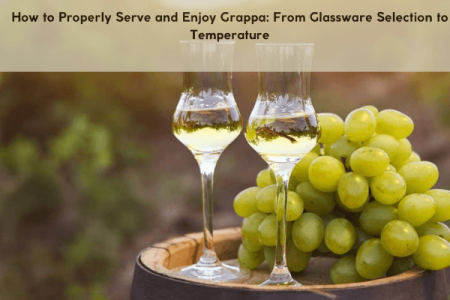
Ditch the standard flat shot glasses. Instead, pour it into a small tulip-shaped glass or a grappa glass. The narrow rim traps the fruity aromas near the top, so you get the full fragrance before taking a sip.
Food Pairings
Because fruit spirits work so well as both an aperitif before eating and a digestif afterward, pairing them with food is a lot of fun:
-
Apricot & Peach: Go beautifully with soft cheeses like Brie, toasted walnuts, dried apricots, and light chicken dishes.
-
Fig & Cornel: Hold up easily to heavy, savory plates like cured meats, grilled steaks, aged cheeses, and smoky barbecue.
Traditional Distillation Process: What Makes Premium Fruit Vodka Stand Out
Making high-end vodka out of fresh fruit requires real patience and a lot of hands-on experience.
-
Fermentation: Only fully ripe, high-sugar fruits are picked. They are crushed and left to ferment naturally. No extra sugar is added—the fruit’s natural sugar does all the work.
-
Copper Still Distillation: The fermented fruit mash is double-distilled in traditional copper pot stills. This step captures the essential oils and aroma of the fruit.
-
Resting: After coming off the still, the spirit rests in glass carboys or wood casks to let the alcohol soften and settle into a smooth finish.
How to Spot Quality:
-
Brilliant Clarity: Unless it spent time aging in an oak barrel, genuine vodka should be crystal clear.
-
Authentic Smell: The second you uncork the bottle, you should smell fresh fruit, not a harsh rubbing-alcohol sting.
-
Slow Glass Tears: Good fruit vodka leaves slow, thick legs sliding down the sides of your glass.
Frequently Asked Questions (FAQ)
How can you distinguish authentic craft fruit vodka from flavored commercial vodka?
Authentic craft fruit vodka is distilled directly from real, fermented fruit mash, resulting in a subtle, nuanced flavor profile and a smooth finish. Commercial flavored vodka, on the other hand, usually starts with standard grain alcohol blended with artificial flavorings or sweet syrups, leaving behind a heavy sugar coat and a sharp chemical bite.
What is the optimal serving temperature for fruit vodka?
The optimal serving temperature is 12–16°C (54–60°F). Keeping it cool rather than cold preserves all the delicate fruit aromas that make the drink special in the first place.
Which foods pair best with traditional Armenian fruit vodkas?
Traditional Armenian varieties like apricot and peach vodka pair exceptionally well with artisan cheeses, dried fruits, and walnuts. Tarter or deeper spirits like cornelian cherry or wild mulberry fruit vodka pair best with savory meats, basturma, fresh-off-the-grill shashlik, and cured snacks.
A great bottle of vodka distilled from actual fruit is a real labor of love—a mix of good soil, seasonal weather, and careful distilling. By choosing genuine bottles, serving them at the right temperature, and sharing them over a good meal, you turn a quick drink into a genuine tasting experience. Cheers!